
Beyond the "Sunday Scaries": When Stress Becomes Burnout
How do I know if I am burnt out or just tired?
True burnout recovery requires more than a vacation; it requires a shift in how you relate to your boundaries and your worth. This means there has to be a foundational shift in your relationship with yourself.
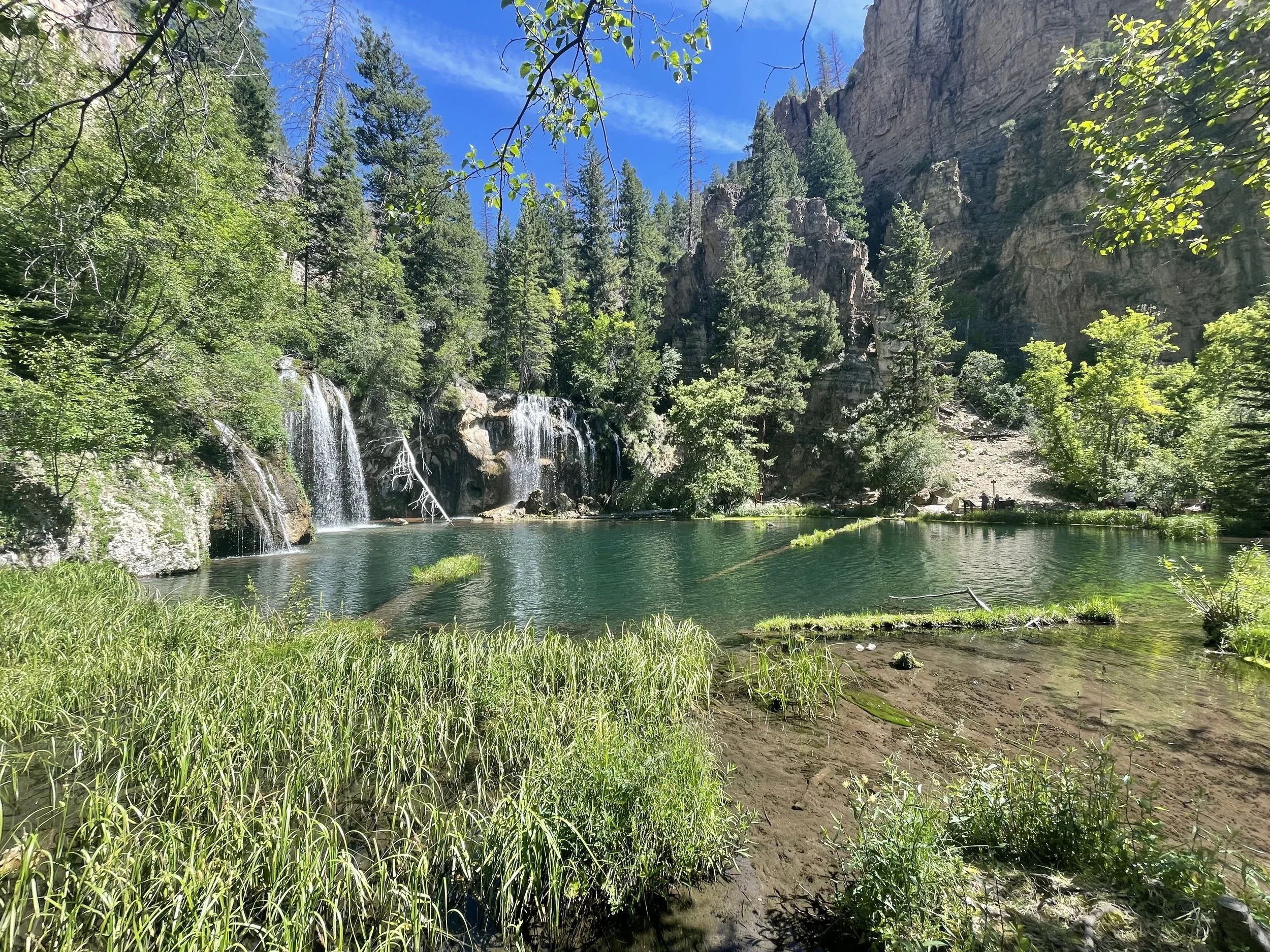
Hanging Lake- A hike I took that was beautiful and renewing!
Living in Colorado, we often pride ourselves on our "work hard, play hard" culture. We balance demanding careers with weekend 14ers and active social lives. But what happens when the mountain air isn't enough to recharge?
If you find yourself staring at your laptop with a sense of dread, or feeling physically exhausted despite a full night’s sleep, you aren’t just "tired." You might be experiencing burnout.
What is Burnout, Exactly?
Burnout is more than just a stressful week at the office. It is a state of emotional, physical, and mental exhaustion caused by excessive and prolonged stress. In my practice as a Colorado burnout specialist, I often see three main red flags:
1 Cynicism: Feeling detached from your work or resentful toward colleagues, tasks, or the job itself.
2 Inefficiency: Tasks that used to take an hour now take all day because you can’t focus or simply cannot find the motivation to start.
3 Physical Depletion: Unexplained headaches, digestive issues, or chronic fatigue.
Why "Pushing Through" Doesn't Work
In a high-pressure environment, our instinct is to "grind" through the overwhelm. We develop a mindset of “after this week, things will slow down”. However, more often than not, it doesn't, and we remain locked in a state of being drained without replenishment. Burnout is a sign that your nervous system is stuck in a chronic stress response. When we ignore these signals, we risk moving from uncomplicated stress into overwhelm and burnout.
3 Steps to Start Building a Mindfully Balanced Life
If you’re feeling the weight of professional overwhelm today, try these shifts:
• Audit Your "Yes": For every new opportunity or commitment that arises, consider what you are saying “no” to by saying “yes”. By taking on that commitment, you may inadvertently say no to rest, family time, time spent outdoors, or starting that book in your TBR stack that you are so excited about. Practice saying, "I’ll have to check my capacity and get back to you."
• Micro-Mindfulness: You don't need an hour of meditation. Try "Grounding in the Rockies"- spend five minutes outside without your phone, focusing solely on the temperature of the air, the sounds around you, and the things you see.
• Seek Professional Support: Sometimes, we are too close to our own stress to see the exit ramp. A trauma-informed therapist can help you identify the root causes of your burnout and help you recalibrate your nervous system.
Find Balance
You don't have to choose between a successful career and your mental health. Healing from burnout is about reclaiming your agency and building a life that feels as good on the inside as it looks on the outside.